
Medically Reviewed by Dr. Matthew Allen, DDS on July 29, 2026
Scaling and root planing, often called a deep cleaning, is a two-step, non-surgical dental procedure that removes plaque and hardened tartar from below the gumline and smooths the exposed root surfaces so irritated gum tissue has a real chance to heal and reattach. It is not a punishment for poor oral hygiene. It is a proven treatment designed to stop gum disease before it causes lasting damage to the bone and tissue that support your teeth.
At Godley Station Dental, our team has helped patients restore and maintain gum health for more than two decades. As a three-time Best of Georgia award winner and a consistent Best of Pooler honoree, we bring the same patient-first approach to every periodontal treatment we provide, beginning with clear communication so every patient knows exactly what to expect before they sit in the chair.
What Is Scaling and Root Planing?
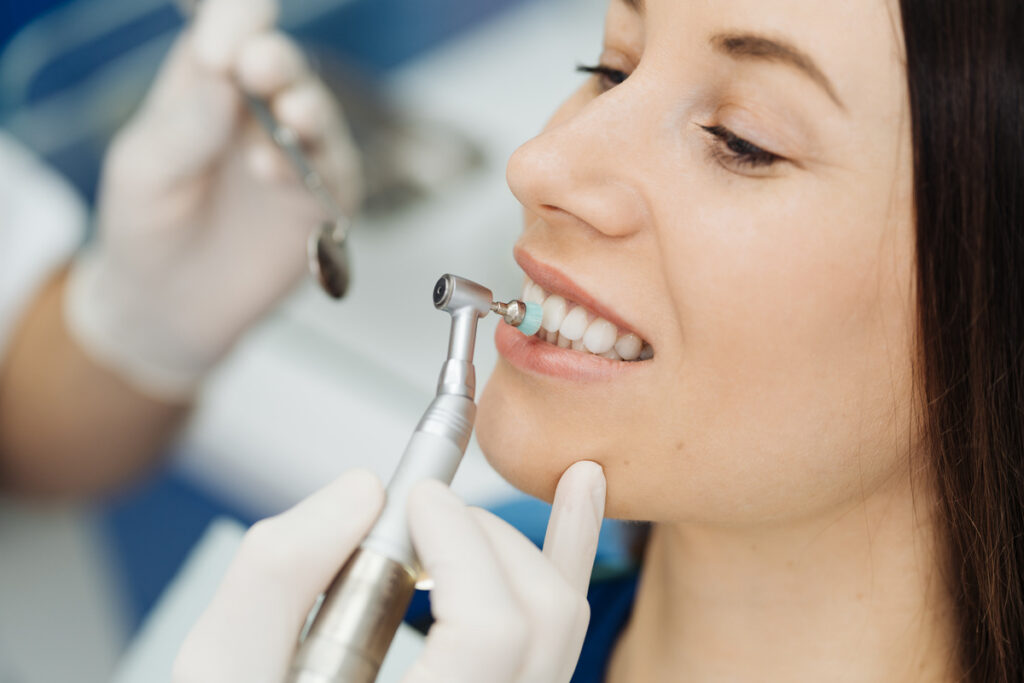
Scaling and root planing is a two-part deep cleaning procedure performed below the gumline. Scaling removes the hardened tartar and bacterial deposits from tooth surfaces in areas that standard cleaning instruments cannot reach. Root planing follows, smoothing the root surfaces of the teeth so that bacteria have a harder time reattaching and the gum tissue has the best possible foundation for healing. Together, these two steps address both the immediate buildup and the surface conditions that allow bacteria to persist.
Unlike routine prophylaxis, which focuses only on the surface above the gumline, scaling and root planing target the deeper pockets that form once gum disease is present. The procedure is typically completed across two appointments, treating one side of the mouth per visit, and is performed under local anesthesia so patients remain comfortable throughout. In less advanced cases, a single extended appointment may be enough to complete treatment. A dentist or dental hygienist can perform the treatment, and either hand instruments or ultrasonic devices may be used to remove deposits and smooth the root surface, depending on the case.
When Is Deep Cleaning Recommended?
Gum disease progresses in stages. Gingivitis, the earliest stage, causes inflammation and bleeding but can often be reversed with improved at-home care and routine cleanings. When it progresses to periodontitis, the infection extends below the gumline, forming pockets where bacteria accumulate and gradually destroy the surrounding tissue and bone. According to the Centers for Disease Control and Prevention, an estimated four in ten adults aged 30 and older in the United States have some level of periodontitis, and the rate climbs considerably with age.
Scaling and root planing are typically recommended once pocket depths measure four millimeters or more, indicating that a standard cleaning alone is no longer adequate to manage the bacterial load. Regular general dentistry visits are essential for catching the early signs of gum disease before they progress to a point requiring more involved care. Probing measurements taken during routine checkups are often the first indication that deeper treatment is needed, and symptoms like persistent bad breath, bleeding gums, or visible gum recession are also common early warning signs worth mentioning at your next visit.
The Benefits of Scaling and Root Planing
Removing bacterial deposits from below the gumline does more than address a single problem area. A thorough deep cleaning can help calm the inflammation that causes gums to bleed and pull away from the teeth, and it can reduce the odor-causing bacteria linked to persistent bad breath. Smoothing the root surfaces also gives gum tissue a cleaner foundation to reattach to, which supports the bone and connective tissue that hold your teeth in place.
Because gum disease is progressive, treating it early with scaling and root planing can help you avoid more involved periodontal care later on. Many patients also notice their gums simply look and feel healthier, with less puffiness and a more even color once inflammation resolves. Gum disease has also been associated with broader health conditions such as diabetes, which is one more reason addressing it early tends to support more than just your smile. Keeping the gum line healthy after treatment also matters if you are interested in cosmetic refinements such as gum contouring, since healthy, stable tissue gives those procedures a stronger foundation to work with.
What to Expect During and After the Procedure
Understanding what the appointment involves takes much of the uncertainty out of the process for most patients.
During Your Appointment
Local anesthesia is applied before treatment begins, so discomfort is minimal for the vast majority of patients. Your hygienist uses purpose-built instruments to carefully remove deposits from below the gumline and smooth root surfaces, working methodically through each area. Most appointments take between 60 and 90 minutes per side of the mouth, and the experience is far more manageable than many patients anticipate.
After Your Appointment
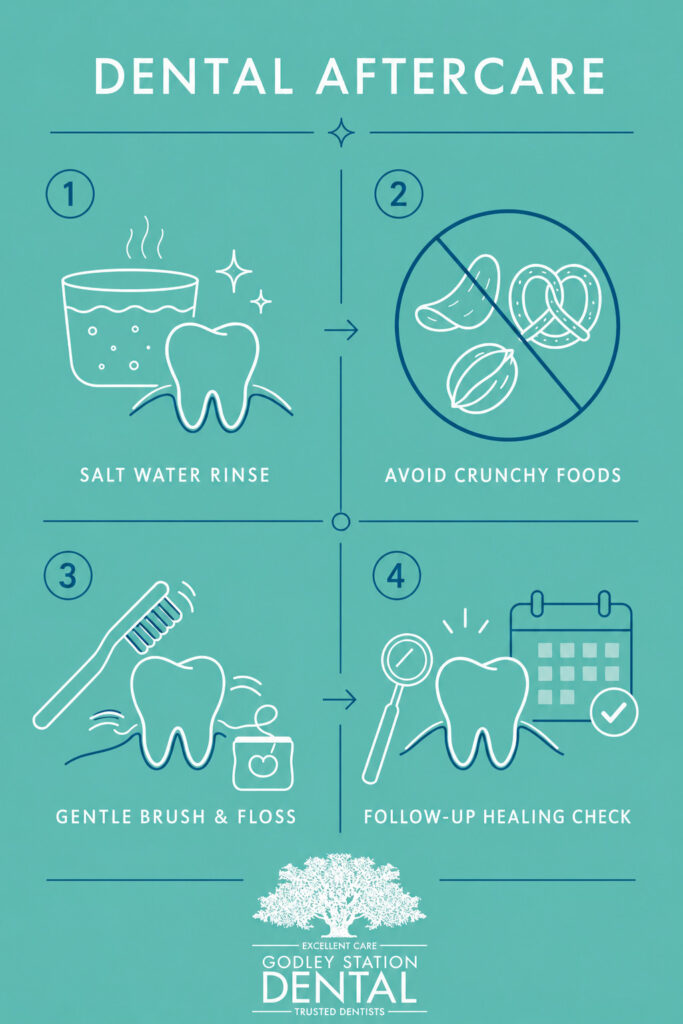
Some tenderness, mild swelling, and tooth sensitivity are normal in the days following treatment and typically resolve within a week. Our team provides thorough aftercare guidance to support recovery, which commonly includes:
- Rinsing with warm salt water to reduce gum inflammation
- Avoiding hard or crunchy foods while the tissue heals
- Brushing and flossing gently but consistently throughout the recovery period
- Returning for a follow-up evaluation to confirm that healing is progressing as expected
Maintaining this routine gives the gum tissue the best opportunity to reattach and stabilize, which is especially important if you have existing dental implants, bridges, or dentures that depend on healthy surrounding bone and gum tissue for long-term success.
The Role of Antibiotics and Follow-Up Care in Treatment
In some cases, scaling and root planing alone may not fully resolve deeper pockets of infection, so a dentist may recommend additional support alongside the deep cleaning. This can include a prescribed oral antibiotic, an antimicrobial rinse, or a topical medication placed directly into the pocket during the appointment to help control bacteria while the tissue heals. Not every patient needs this extra step, and your dentist will determine whether it is appropriate based on how deep the pockets are and how your gums respond to the initial treatment.
Following through on any prescribed medication, along with attending the follow-up evaluation your dentist schedules, gives the treatment the best chance of holding. Skipping antibiotics when they are recommended, or missing the recheck appointment, can allow bacteria to rebuild in the treated pockets before the gum tissue has had a chance to fully reattach. If your dentist recommends this additional support, it is worth treating it as a core part of the treatment plan rather than an optional add-on.
Recovery, Long-Term Outlook, and Protecting Your Gum Health
Complications from scaling and root planing are uncommon, and the procedure is considered a safe, well-established treatment for gum disease. In some cases, gums that were swollen before treatment tighten and sit a bit lower on the tooth as the infection clears, which can look like added recession even though the tissue is healthier underneath. Reach out to our team if bleeding does not slow down, swelling gets worse instead of better, or discomfort lasts well beyond the first week.
Most patients need scaling and root planing only once for a given area, provided they keep up with home care and attend the periodontal maintenance visits recommended after treatment. Gum disease has a tendency to return if plaque and tartar are allowed to build back up, so regular professional cleanings and a consistent home routine are what keep the results in place over time. Because untreated gum disease can eventually affect the bone that supports your teeth, staying current on periodontal maintenance now can also help you avoid more extensive restorative dentistry, or in more advanced cases a full mouth reconstruction, later. Our team can also walk you through how a dental savings plan may help make ongoing periodontal care more manageable.
Get the Gum Care You Need at Godley Station Dental
Godley Station Dental has spent more than two decades building our practice around the belief that an exceptional patient experience is what keeps people coming back. That consistency is part of why we have been named a three-time Best of Georgia award winner, recognition we credit directly to the trust our patients place in our team. This approach carries through every service we offer, from preventive cleanings to advanced periodontal care, and our hygiene team brings skill and attentiveness to every appointment, treating each patient as an individual whose long-term oral health genuinely matters.
If you have been told you need scaling and root planing, or if it has been a while since your last checkup, schedule your visit with our team and take the next step toward lasting gum health.
Frequently Asked Questions About Scaling and Root Planing
How long does it take to recover from scaling and root planing?
Most patients notice the bulk of any tenderness, swelling, or sensitivity fading within about a week of treatment. Some mild soreness along the gumline can linger a bit longer, especially in areas that had deeper pockets before treatment. Following your aftercare instructions, including gentle brushing and flossing and avoiding hard or crunchy foods for the first few days, generally supports a smoother recovery and helps the gum tissue reattach properly.
Do I need scaling and root planing more than once?
In many cases, a single round of scaling and root planing addresses the areas that were treated, especially when patients keep up with recommended periodontal maintenance visits and daily home care afterward. Gum disease can return if plaque and tartar build back up over time, so ongoing checkups and consistent oral hygiene play a large role in whether additional deep cleaning is ever needed again.
Is scaling and root planing painful?
The procedure is performed under local anesthesia, so most patients feel little to no discomfort while it is being done. Some tenderness, sensitivity, or mild swelling is common for a few days afterward, similar to what you might feel after other routine dental work, and over-the-counter pain relief is often enough to manage it.
What is the difference between a regular cleaning and scaling and root planing?
A regular cleaning, also called a prophylaxis, focuses on removing plaque and light buildup from the visible surfaces of your teeth and just above the gumline. Scaling and root planing goes further, reaching below the gumline to remove hardened tartar from the tooth root and smooth that surface, which is only necessary once gum disease has created pockets that a standard cleaning cannot reach.
What are the signs that I might need a deep cleaning?
Persistent bad breath, gums that bleed easily when you brush or floss, gum recession, and teeth that feel loose can all point toward gum disease that may require scaling and root planing. Your dentist can confirm whether deep cleaning is appropriate by measuring the depth of the pockets between your teeth and gums during a routine exam.
Will I need antibiotics or other medication after scaling and root planing?
Not every patient needs medication after a deep cleaning, but your dentist may prescribe an antibiotic, recommend an antimicrobial rinse, or place a topical medication directly into deeper pockets to help control bacteria while your gums heal. Whether additional treatment is recommended depends on how deep the affected areas were and how your tissue responds during the appointment. If medication is part of your plan, following the instructions closely gives your gum tissue the best chance to reattach and stay healthy long term.
About the Author
Founder, Godley Station Dental
Dr. Matthew Allen earned his DDS from Ohio State University after completing a BS in biology at the University of Toledo. He founded Godley Station Dental in 2004 with a commitment to personalized, patient-centered dental care, and today leads a team of five doctors, twelve hygienists, and eleven assistants serving the Pooler, Georgia community.